
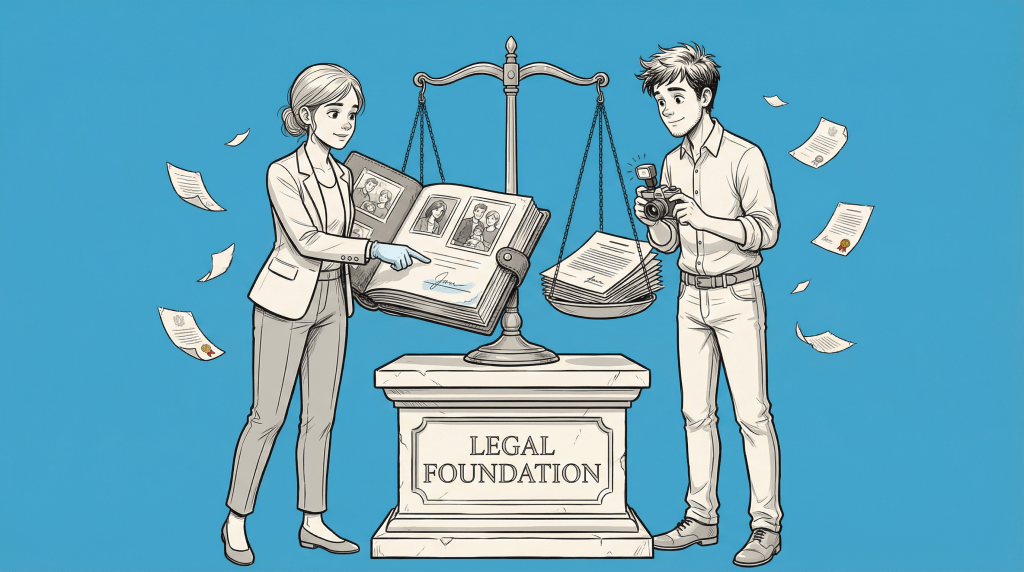
- A wedding photography contract is a legally binding agreement that defines exactly what your photographer will deliver — coverage hours, number of images, editing style, and delivery timeline.
- Every couple hiring a professional photographer needs one; without it, disputes over image rights, cancellations, and missed shots can turn into costly legal conflicts.
- Copyright ownership is one of the most critical clauses — understand whether you are receiving full rights, a personal-use license, or no license at all before you sign.
- Without a signed contract, you have no legal recourse if the photographer cancels, delivers poor-quality images, or uses your wedding photos for commercial purposes without consent.
- GO LAW’s free wedding photography contract template creates a complete, personalized document; use GO Draft to generate your fully customized version in minutes.
Understanding the Significance of a Wedding Photography Contract
A wedding photography contract is more than just a piece of paper; it’s a crucial document that sets the foundation for a successful collaboration between you and your photographer. This legally binding agreement outlines the expectations, responsibilities, and deliverables for both parties, ensuring that your special day is captured flawlessly.
When you invest in professional wedding photography, you’re not just paying for someone to take pictures. You’re entrusting an artist to document one of the most important days of your life. A well-crafted contract protects your interests and provides clarity on what you can expect from your photographer, as well as what they expect from you.
Moreover, a comprehensive wedding photography contract helps prevent misunderstandings and potential conflicts. It serves as a reference point for all aspects of the service, from the shooting schedule to the final delivery of images. By having everything in writing, you can relax and enjoy your wedding day, knowing that the photographic coverage is in capable hands.
✎ Draft Your Wedding Photography Contract in Minutes with GO Draft
GO LAW’s AI-powered document drafter walks you through a simple questionnaire and generates a complete, customized wedding photography contract — ready to review, sign, and file. No legal jargon, no hourly fees. (Or if you’d prefer, you can speak with an attorney.)
Create My Wedding Photography Contract with GO Draft →Key Elements Every Wedding Photography Contract Should Include
When reviewing or creating a wedding photography contract, ensure that it covers these essential elements:
- Contact Information: Full names and contact details for both the photographer and the couple.
- Event Details: Date, time, and location(s) of the wedding and any associated events.
- Services Provided: Specific coverage hours, number of photographers, and any additional services (e.g., engagement shoot, photo booth).
- Deliverables: Number of images, format (digital/print), editing style, and delivery timeline.
- Payment Terms: Total cost, deposit amount, payment schedule, and accepted methods of payment.
- Cancellation and Rescheduling Policies: Procedures and potential fees for changes or cancellations.
- Copyright and Usage Rights: Ownership of images and permissions for use by both parties.
- Liability and Insurance: Photographer’s insurance coverage and any liability limitations.
By including these key elements, you create a comprehensive agreement that leaves no room for ambiguity or misinterpretation. For couples who also want to protect other aspects of their union, GO LAW’s knowledge base includes related contract guides covering vendor agreements and personal legal services.
Protecting Both Parties: The Legal Aspects of a Photography Agreement
A well-drafted wedding photography contract serves as a legal safeguard for both you and your photographer. It establishes a professional relationship and outlines the terms of service in a legally binding manner. This protection is invaluable in case of disputes or unforeseen circumstances.
For you, the contract ensures that you receive the services you’ve paid for, including the agreed-upon coverage, image quality, and delivery timeline. It also protects your rights to the photos and specifies how they can be used by the photographer for promotional purposes.
For the photographer, the contract protects their business interests by clearly stating payment terms, cancellation policies, and copyright ownership. It also sets boundaries for client expectations and outlines any limitations on liability.
In the rare event of a legal dispute, a well-written contract can often prevent the need for costly litigation by providing clear terms that both parties have agreed to in advance. Under U.S. copyright law, photographers generally retain the copyright to images they create — a fact many couples are surprised to learn when they haven’t reviewed their contract closely.
Customizing Your Contract: Tailoring to Specific Wedding Needs
While many elements of a wedding photography contract are standard, it’s important to customize the agreement to fit your specific needs and circumstances. Every wedding is unique, and your contract should reflect that.
Consider including clauses that address:
- Specific Shot Lists: If you have must-have photos, include them in the contract.
- Cultural or Religious Considerations: Ensure the photographer is aware of and agrees to any cultural or religious requirements.
- Multiple Locations: If your wedding involves multiple venues, outline the logistics and any additional fees.
- Special Equipment or Techniques: Discuss any specific photography styles or equipment you expect (e.g., drone photography, film cameras).
- Guest Photographer Policies: Address how the professional photographer will work alongside guests taking photos.
By tailoring your contract, you ensure that all your unique needs are met and that there are no surprises on your wedding day.
The Benefits of Using a Wedding Photography Contract Template
Starting with a wedding photography contract template can be a great way to ensure you cover all the necessary bases. Templates offer several advantages:
- Comprehensiveness: Professional templates are typically created by legal experts and industry professionals, ensuring all crucial elements are included.
- Time-Saving: Using a template saves you the time and effort of drafting a contract from scratch.
- Customization: Most templates are easily customizable, allowing you to tailor the agreement to your specific needs.
- Legal Language: Templates often use appropriate legal terminology, which can be crucial in case of disputes.
- Industry Standards: They usually reflect current industry standards and best practices.
While templates provide an excellent starting point, it’s essential to review and modify them to fit your unique situation. Consider having a legal professional review the final document to ensure it’s legally sound and protects your interests. GO LAW’s GO Draft tool generates a fully customized wedding photography contract based on your specific answers — no blank template guesswork required.
Analyzing a Sample Wedding Photography Contract: What to Look For
When reviewing a sample wedding photography contract, pay close attention to the following areas:
1. Clarity of Terms
Ensure that all terms and conditions are clearly stated and easy to understand. Avoid contracts with vague language or ambiguous clauses.
2. Scope of Services
Look for a detailed description of what’s included in the package. This should cover:
- Number of hours of coverage
- Number of photographers and assistants
- Specific events to be photographed (e.g., getting ready, ceremony, reception)
- Any additional services like engagement shoots or album design
3. Deliverables
Check for clear specifications on:
- Number of final edited images
- Format of delivered images (digital, prints, albums)
- Timeline for delivery
- Any guarantees on image quality or style
4. Payment Structure
Verify that the payment terms are clearly outlined, including:
- Total cost of services
- Deposit amount and due date
- Payment schedule for remaining balance
- Accepted payment methods
5. Cancellation and Rescheduling Policies
Look for fair and reasonable policies regarding:
- Cancellation by either party
- Rescheduling due to unforeseen circumstances
- Refund policies
6. Copyright and Usage Rights
Ensure the contract clearly states:
- Who owns the copyright to the images
- How the images can be used by both parties
- Any restrictions on image use or distribution
By carefully analyzing these aspects of a sample contract, you can gain a better understanding of what to expect and what to negotiate in your own agreement.
Common Mistakes to Avoid in Wedding Photography Contracts
When drafting or reviewing a wedding photography contract, be wary of these common pitfalls:
Overlooking Specifics: Avoid vague language or generalizations. Be specific about services, deliverables, and timelines.
Ignoring Contingencies: Ensure the contract addresses potential issues like equipment failure, photographer illness, or extreme weather conditions.
Neglecting Copyright Clauses: Clearly define who owns the rights to the images and how they can be used by both parties.
Underestimating Time Requirements: Be realistic about the time needed for shooting, editing, and delivery of final images.
Failing to Address Additional Costs: Specify any potential extra charges, such as travel expenses or overtime fees.
Overlooking Insurance: Confirm that your photographer has appropriate liability insurance and that this is mentioned in the contract.
Neglecting to Define Image Editing: Clearly state the level of editing included and any additional costs for extensive retouching.
Forgetting About Meals and Breaks: Include provisions for photographer meals and breaks during long wedding days.
Not Addressing Cancellation Policies: Clearly outline the procedures and any fees associated with cancellations or date changes.
Failing to Include All Parties: Ensure all relevant parties (e.g., both members of the couple, or parents if they’re paying) are named in and sign the contract.
By avoiding these common mistakes, you can create a more comprehensive and effective wedding photography contract that protects both you and your photographer.
How to Present and Explain the Contract to Your Clients
As a wedding photographer, presenting and explaining your contract to clients is a crucial step in building trust and ensuring a smooth working relationship. Here are some tips to effectively communicate the terms of your agreement:
Be Transparent: Walk your clients through each section of the contract, explaining the purpose and importance of each clause.
Use Plain Language: While the contract itself may contain legal terminology, explain concepts in simple, everyday language that your clients can easily understand.
Highlight Key Points: Draw attention to the most important aspects of the contract, such as payment terms, deliverables, and usage rights.
Address Common Concerns: Anticipate and proactively address questions or concerns that clients typically have about wedding photography contracts.
Provide Examples: Use real-life scenarios to illustrate how certain clauses protect both parties and ensure a positive experience.
Encourage Questions: Create an open atmosphere where clients feel comfortable asking for clarification on any part of the contract.
Offer a Review Period: Give clients time to review the contract thoroughly before signing, and be available to answer any questions that arise during this period.
Use Visual Aids: Consider creating a simple infographic or checklist that summarizes the key points of your contract for easy reference.
By taking the time to thoroughly explain your contract, you demonstrate professionalism and build trust with your clients, setting the stage for a successful collaboration.
Updating Your Contract: Keeping Up with Industry Changes and Trends
The wedding photography industry is constantly evolving, and your contract should reflect these changes. Regularly updating your agreement ensures that it remains relevant and continues to protect both you and your clients. Here are some areas to focus on when reviewing and updating your contract:
Technology Advancements: Address new photography techniques or equipment, such as drone photography or AI-enhanced editing.
Social Media Clauses: Update terms regarding image sharing on social platforms, considering new features or platforms that may have emerged.
Data Protection: Ensure your contract complies with the latest data protection regulations, such as GDPR for European clients.
Copyright Laws: Stay informed about any changes in copyright legislation that may affect image ownership and usage rights.
Industry Standards: Align your contract with current best practices in the wedding photography industry.
Client Expectations: Adapt to changing client preferences, such as requests for raw files or specific editing styles.
Force Majeure Clauses: Ensure your contract adequately addresses unforeseen circumstances — such as extreme weather, venue closures, or public health emergencies — that may affect the wedding.
Payment Methods: Update your contract to include new payment options, such as digital wallets or ACH transfers, if applicable.
By regularly reviewing and updating your contract, you demonstrate your commitment to professionalism and ensure that your agreement remains a robust tool for protecting your business and serving your clients effectively.
Case Studies: Real-Life Examples of Wedding Photography Contracts in Action
To illustrate the importance of a well-crafted wedding photography contract, let’s examine two real-life scenarios:
Case Study 1: The Postponed Wedding
Scenario: A couple booked a photographer for their summer wedding, paying a 50% non-refundable deposit. Due to unforeseen circumstances, they had to postpone the wedding to the following year.
Contract Clause: The contract included a rescheduling policy that allowed for one date change within 18 months of the original date, subject to the photographer’s availability.
Outcome: Thanks to the clear rescheduling policy, the couple was able to transfer their deposit to the new date without losing their investment. The photographer retained the client and avoided potential disputes.
Case Study 2: The Copyright Conundrum
Scenario: After receiving their wedding photos, a couple was upset to find that the photographer had used some of their images in their portfolio and on social media without explicit permission.
Contract Clause: The contract clearly stated that the photographer retained copyright of all images and had the right to use them for promotional purposes, while also granting the couple a license for personal use.
Outcome: When the couple raised their concerns, the photographer was able to refer to the contract, explaining the standard industry practice. This helped resolve the misunderstanding without escalation.
These case studies demonstrate how a comprehensive contract can prevent misunderstandings, protect both parties’ interests, and provide clear solutions in challenging situations.
Innovative Wedding Photography Contract Resources
Beyond GO LAW, there are several platforms and resources that can help couples and photographers create, review, and manage photography agreements. Here are some of the leading legal and industry-focused tools worth exploring alongside your GO LAW documents:
- DocuSign — The industry standard for e-signatures; allows photographers and clients to sign contracts digitally with legally binding authentication, audit trails, and timestamp verification.
- HoneyBook — A client management platform purpose-built for creative professionals, including photographers; offers integrated contracts, invoices, and payment processing in one workflow.
- Sprout Studio — An all-in-one photography business platform with built-in contract templates, client questionnaires, and gallery delivery tools tailored specifically to wedding photographers.
- U.S. Copyright Office — The authoritative government resource for understanding copyright ownership of creative works, including photographs; essential reading for both photographers and clients navigating image rights.
- American Bar Association — Lawyer Referral — If your photography contract involves unusual circumstances (destination weddings, commercial licensing, or large-scale events), the ABA’s referral service can connect you with a qualified contracts attorney.
Note: While these platforms offer convenient tools, none substitute for personalized legal advice on complex photography and contract matters. GO LAW recommends using these resources for general planning and consulting an attorney for high-value engagements, commercial licensing arrangements, or international weddings.
🔍 Already Have a Wedding Photography Contract? Have GO LAW Review It.
Use GO Review — GO LAW’s AI-powered contract reviewer — to check your existing wedding photography contract for missing clauses, weak cancellation terms, unclear copyright language, or gaps in liability coverage before you sign. (Or if you’d prefer, you can speak with an attorney.)
Review My Wedding Photography Contract with GO Review →Frequently Asked Questions: Wedding Photography Contracts
Do I need a lawyer to create a wedding photography contract?
You do not need a lawyer to create a valid wedding photography contract, but legal review is strongly recommended for high-value or complex arrangements. A well-structured template — like the one generated by GO LAW’s GO Draft — covers all essential legal elements and is customized to your specific situation. For destination weddings, commercial licensing deals, or contracts involving large upfront payments, having an attorney review the document provides an additional layer of protection.
What’s the difference between using a DIY template and hiring a lawyer to draft my photography contract?
Both are valid approaches depending on your needs:
- DIY template (via GO Draft) — Fast, affordable, and appropriate for most standard wedding photography arrangements. GO LAW’s questionnaire-driven tool generates a complete, customized contract in minutes.
- Attorney-drafted contract — Best for unusual circumstances, such as international weddings, large commercial licensing agreements, or situations where one party is a professional photography business with complex liability requirements.
For most couples and photographers, a high-quality template reviewed by GO Review is sufficient and far more cost-effective than hourly legal fees.
How often should I update my wedding photography contract?
Review and update your contract at least once a year, or whenever any of the following occur:
- You adopt new technology or services (e.g., drone photography, AI editing tools)
- Relevant copyright or data protection laws change in your jurisdiction
- You experience a dispute or near-miss that revealed a gap in your current contract
- Industry standard practices shift (e.g., new social media platform usage norms)
- You expand your business to serve clients in different states or countries
Use GO Review to audit your existing contract against current best practices before each wedding season.
What happens if I don’t have a signed wedding photography contract?
Without a signed contract, both parties lose important legal protections. Consequences can include:
- No legal basis to recover your deposit if the photographer cancels
- No enforceable delivery timeline — the photographer can take months or years to deliver photos
- No clarity on who owns the copyright to your wedding images
- No agreed-upon cancellation or rescheduling policy if your wedding date changes
- No remedy if the delivered images don’t match the agreed style or quality
Without a contract, resolving any of these issues typically requires expensive litigation with no guaranteed outcome.
Can a wedding photography contract be modified after signing?
Yes — contracts can be amended after signing, but any changes must be agreed to by both parties in writing. Options include:
- Written amendment — A separate document both parties sign that modifies specific terms of the original contract.
- Addendum — A new section attached to the original contract that adds terms both parties agree to.
Never rely on verbal agreements to modify a contract — oral modifications are extremely difficult to enforce in court.
What does a wedding photography contract cover — and what doesn’t it cover?
A standard wedding photography contract covers:
- Coverage hours, locations, and event schedule
- Number of final images and delivery format
- Payment terms, deposits, and cancellation fees
- Copyright ownership and usage rights
- Force majeure and contingency clauses
A photography contract typically does not cover disputes between the couple and the wedding venue, catering vendors, or other service providers. Each vendor relationship requires its own separate contract.
Does having a wedding photography contract mean I own my wedding photos?
Not automatically. Under U.S. copyright law, the photographer who takes the photos is the default copyright owner — even if you paid for the session. Your contract determines what rights you receive. Most wedding photography contracts grant the couple a personal-use license (printing and sharing for non-commercial purposes) while the photographer retains copyright. If you want full ownership — including the right to sell or license the images commercially — you must negotiate a full copyright transfer in writing. For questions about intellectual property rights in creative contracts, see GO LAW’s knowledge base.
Resources for Creating Your Own Wedding Photography Contract
Creating a robust wedding photography contract doesn’t have to be a daunting task. Here are some valuable resources to help you craft an agreement that meets your specific needs:
Professional Photography Organizations: Many offer contract templates and legal guidance to members.
Legal Websites: Sites like LegalZoom or Rocket Lawyer provide customizable contract templates.
Photography Forums and Communities: Discuss contract best practices with fellow professionals.
Business Coaching for Photographers: Many coaches offer contract creation as part of their services.
Local Small Business Associations: Often provide resources and workshops on contract writing.
Books on Photography Business: Many include sections on contracts and sample templates.
Contract Review Services: Consider having a legal professional review your final draft — or use GO Review for a fast, AI-powered review at no hourly cost.
For a quick and efficient solution, use GO LAW’s GO Draft to generate a complete, customized wedding photography contract in minutes. GO LAW’s AI-powered platform guides you through a simple questionnaire and produces a fully personalized document — ready to review, sign, and file. If you’d like a GO LAW attorney to review your agreement or modify it for your specific use case, you’ll have the option to do that after you create your document.
In conclusion, a comprehensive wedding photography contract is an essential tool for ensuring a smooth, professional, and enjoyable experience for both you and your clients. By clearly outlining expectations, responsibilities, and deliverables, you create a foundation of trust and understanding that allows you to focus on what truly matters — capturing beautiful memories of one of life’s most precious moments. Take the time to create, review, and update your contract regularly, and you’ll set yourself up for success in the dynamic and rewarding field of wedding photography.
Additional Resources
- U.S. Copyright Office — How to Protect Your Creative Work (Photography) — Official government guidance on copyright registration, ownership, and licensing for photographers.
- American Bar Association — Contract Law Basics for Consumers — A plain-language overview of what makes a contract legally enforceable, from the ABA’s public education resources.
- NOLO — Photographer’s Copyright Rights Explained — A detailed guide to copyright ownership in photography, image licensing, and what couples need to know before signing.
- Investopedia — What Is a Service Contract? — A foundational explainer on service agreements, payment terms, and enforceability — applicable to photography and all creative service contracts.
- U.S. News — How to Hire a Wedding Photographer — Consumer guidance on vetting photographers, negotiating contracts, and protecting your investment on your wedding day.
- GO LAW — Create Your Wedding Photography Contract with GO Draft — GO LAW’s free AI-powered document drafter generates a complete, customized wedding photography contract in minutes.